The first time the word “belonging” resonated in my mind was in a class I had while completing my Master’s. We discussed migration and how settling into a new place meant facing new challenges from many perspectives. We also talked about how this new reality, from a personal standpoint, would shape you into a different version of yourself, influenced by the beliefs and traditions you brought from the place you called home and the experiences you gained while settling in the unknown. It made sense since I witnessed the not-easy process of calling a foreign city my home.
While I could talk here about mass migrations and the reasons for human movement, I prefer to make this post personal because my experiences might resonate with people who have been or are in a similar position. In a previous post, I wrote about my love for solitude, one of the most significant learnings from moving far from home. So I will start from there. My precious treasure is sitting with my feelings and thoughts without wanting to run away; this allows me to question everything I know and re-evaluate who I am. I guess I did not know enough about my inner self until I moved overseas and had the safe and non-judgmental space (my solitude) to understand myself better, shutting off the voices of outsiders and focusing on just listening to what I have to say about everything, creating a solid opinion, raising my voice to communicate it, and reinforcing my core values.
It has been a difficult journey. I started from scratch, as simple as not being able to communicate. A language that for many years did not feel natural, with the belief that not speaking it or doing it with an accent was a disadvantage—feeling that my heritage was not something to be proud of because of what it means to be from a third-world country where violence is common. Dealing with giggling and patronising comments about narcotrafficking –a punishment for my country. Crazy to think that I used to smile at those comments, as all women tend to do with words that make us uncomfortable. But now, I raise my voice to communicate how inappropriate they are. I can no longer stand how violence, racism, and discrimination are normalised, even in a “simple” conversation. Oblivion is not an excuse for me anymore.
However, now it is different: I am learning to enhance even the most minor achievement and to stand up for myself. I am proud to speak a second language and not ashamed of having an accent. The accent that so many times felt like torture is now my reminder of what I am capable of; it is my constant indication that I can get out of my comfort zone and achieve extraordinary things. Now I consider every detail that makes me different a total advantage. My heritage, I would not change anything about it. My heritage has allowed me to see the world from a broader perspective with empathy and introspection. I embrace all of it, the good and the bad, because, thanks to it, I carry this bright light and resilience with me.
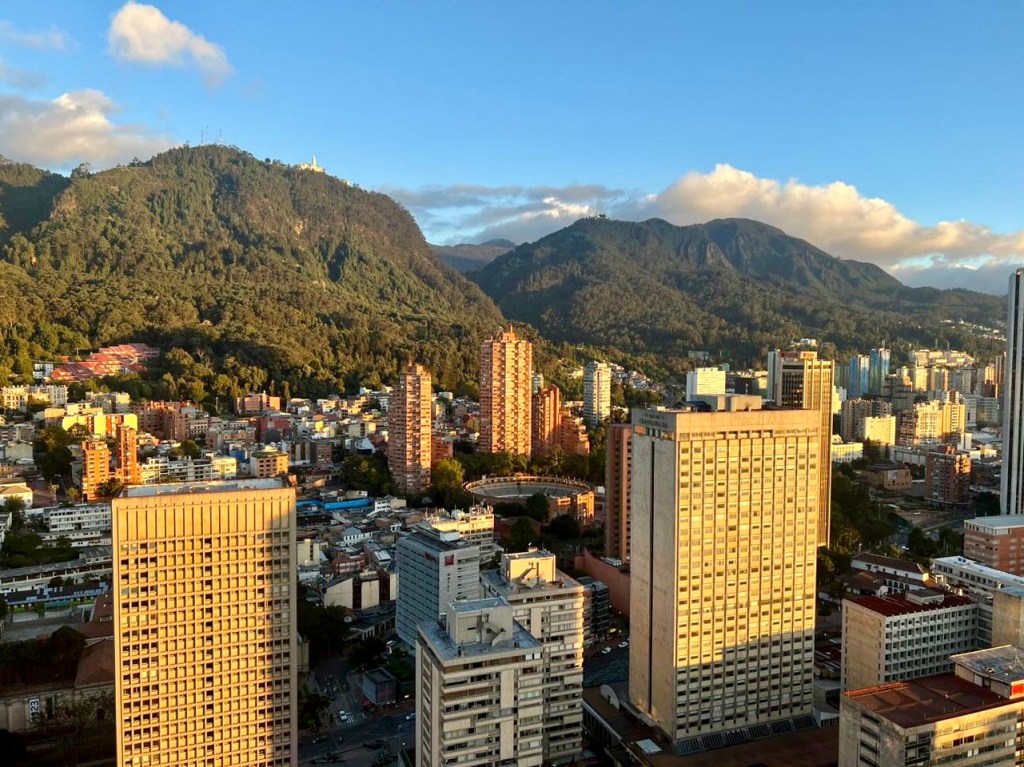
My heart will never feel complete, and I am learning to live with that idea. I will always miss how warm home feels, and nothing will ever compare to my country: its mountains, friendly people, food, culture, music, and dance. I miss being home, but the paradox is that I will never feel at home again; now, I belong here and there. When I am there, I miss here; how different everything looks because of the seasons, the languages, and the stories behind every individual’s culture, the friendly and interesting conversations that always leave me with a piece of wisdom, the magnificent nature, but above all, the stillness.
I belong here, in this place that once appeared so strange. I belong here, where I have built extraordinary strength and fought my most difficult battles. I also belong there, where my heart feels warm and full of love. The path to belonging is, without a doubt, one without end. Not only are we constantly changing, but everything is continually transforming. Change is a fact. Getting out of my comfort zone means change, and I decided to incorporate it into my life when I moved here—without awareness of it until now. I unconsciously decided that challenging my status quo was what I needed to feel alive, even if sometimes it meant facing my fears and fighting with the demons hidden in my mind.
 Words that need to be spoken.